

"Just dial in your brakes and you won't backlash."
CastGuard™ — why it exists
The industry gave you more settings
to solve a problem
settings created.
Brake dials. Spool tension. Thumb timing. Every setting is another variable to get wrong. Change lures — wrong. Wind shifts — wrong. Cast harder — wrong. Backlash. Stop fishing.
CastGuard exists because the answer was never more settings. It was removing them.
CastGuard™ — how it works
Measures lure pull.
Not spool speed.
Every other braking system measures spool speed — the only variable it has access to. The spool has no connection to the lure. It cannot know when the lure is slowing or when it has landed. So settings exist to make the angler compensate for what the reel cannot sense.
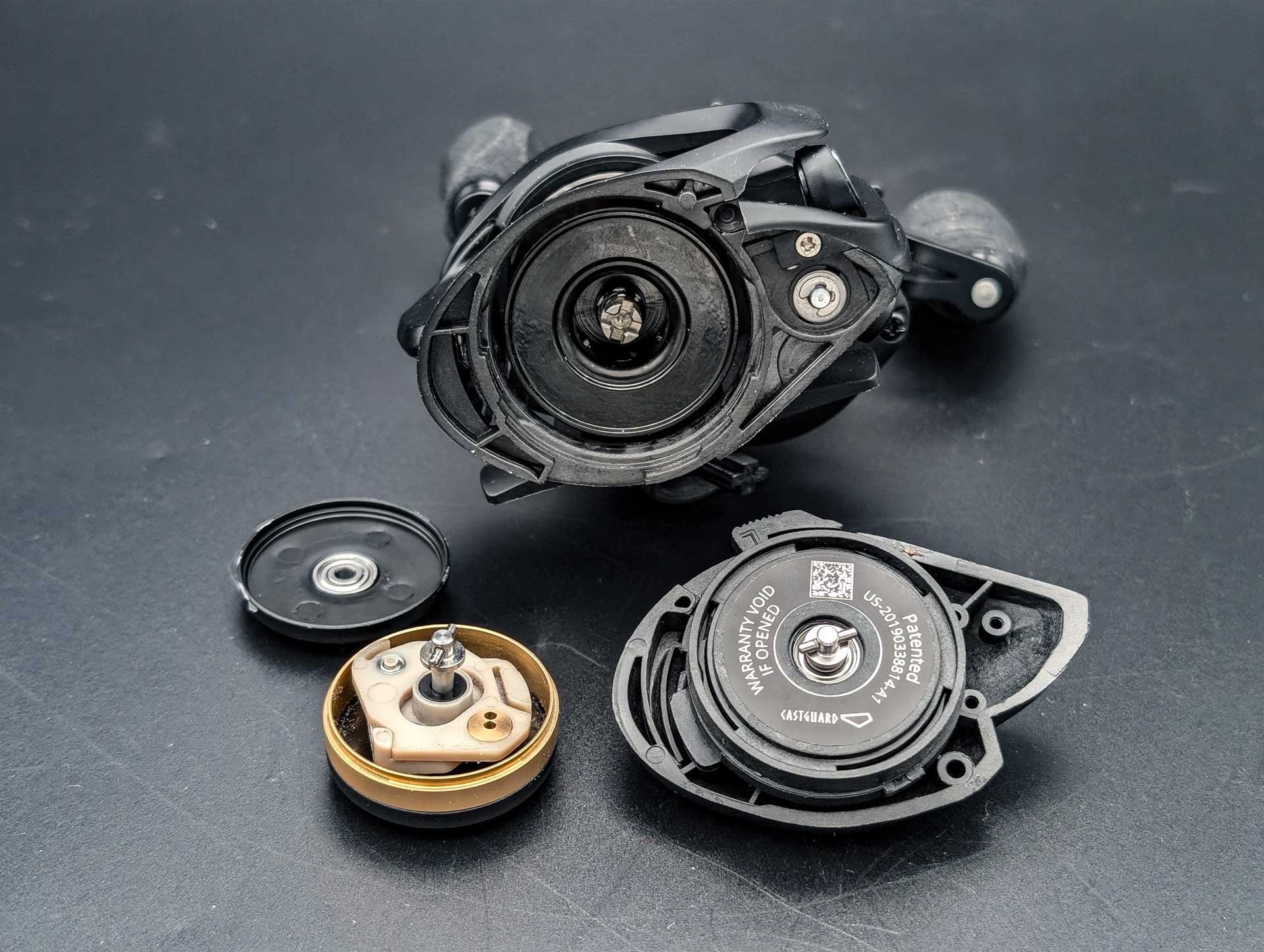
CastGuard senses the force the lure exerts on the line. While that pull is present, the spool runs free. The moment pull fades — at splashdown, in wind, after a lure change — the spool stabilizes. No setting triggers it. The angler does nothing.
The mechanism is purely mechanical. When the lure pulls line, the rotational load keeps the braking disengaged. When pull fades, the rotational dynamics shift and braking engages automatically. No electronics. No sensors. No settings. The lure controls the reel — not the other way around.
The Euler force principle
Two states. One brake arm. No settings.
CastGuard uses the Euler force — a body's resistance to change in rotational speed. A brake arm sits inside the rotating spool. During casting, inertia holds the arm in its resting position and the spool runs free. The moment lure pull fades and the spool decelerates, the Euler force acts on the arm — engaging the brake automatically. Reaction time: under 0.2 seconds. No sensor. No electronics. No setting triggered it.
"Speed activated brakes drastically reduce casting distance. The longer you want to cast, the more they brake."
The unsolved problem in every other baitcaster. CastGuard eliminates the trade-off.
The assumption
More settings don't give you more control.
They give you more decisions to make before every cast.
And more decisions means more chances to get it wrong.
Every reel — every model — has its own rules. Its own brake range. Its own spool tension sweet spot. Anglers spend sessions learning the reel instead of fishing it. That's not control. That's compensation.
Real control is a lure that stays in the water. Not a reel you're constantly managing to keep it there.
Factory set.
Fish it straight out of the box.
No brake changes. No retuning for wind or lure changes.
Lure pull.
Not spool speed.
The only braking system that senses the lure directly. When pull fades, the spool stabilizes.
250 sessions.
Zero lost lures.
Wictor Edwardsson. Full Swedish pike season on Genesis ONE. Not one backlash.
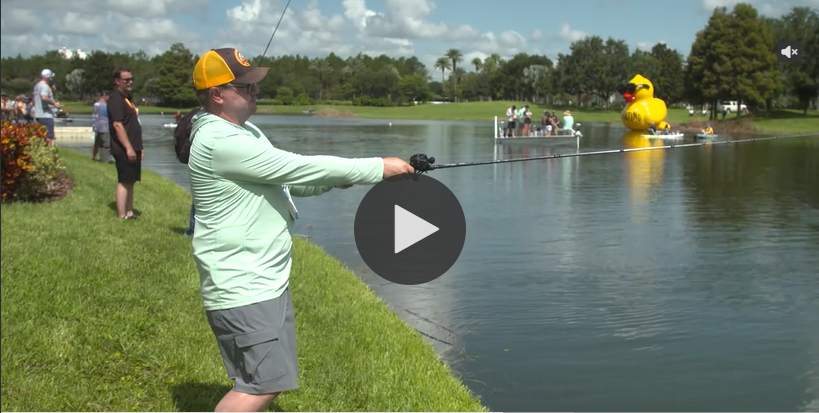
In-Fisherman

This Svivlo baitcast reel won't backlash. We tried!
They tried to backlash it. They couldn't. Independent test by one of North America's most respected fishing publications.
Todd Ceisner & Patrik Zander
Two honest limits.
CastGuard responds to lure pull. In situations where pull collapses abruptly — an extremely jerky cast, a lure stopped mid-flight by obstruction — overrun can still occur. Edge cases, not normal fishing.
Below approximately 5–8g there isn't enough lure pull for CastGuard to work as described. Draken ONE: 8g and above. Genesis ONE: 20g and above. Below that weight — a spinning rod is the right tool. This isn't a Svivlo limitation. No baitcaster performs well at finesse weights.
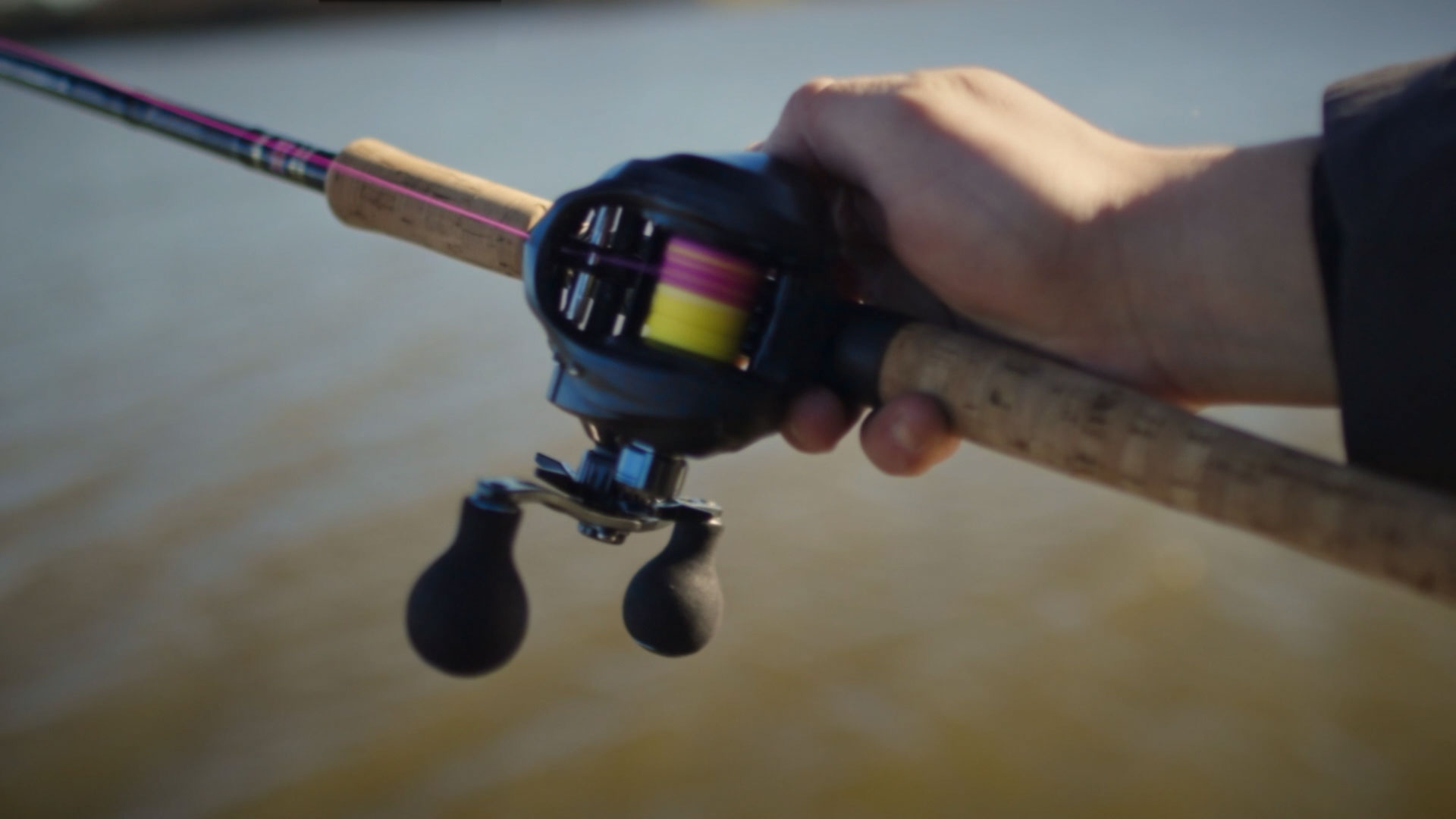
World's first baitcaster
Straight out of the box.
No tuning. Just fishing.
No brakes to adjust. No thumb at splashdown. Wind shifts, lure changes, harder casts — the reel handles it. You just keep fishing.
Explore Svivlo Reels →New to baitcasting? Read our casting guide or see the best baitcasting reel comparison.
What Makes CastGuard™ Different
Here’s a simple way to see how CastGuard™ differs from traditional braking approaches in everyday fishing.
Most braking systems:
-
Respond to spool speed alone
-
Work best when conditions don’t change
-
Require frequent manual adjustment
-
Focus on symptoms
CastGuard™:
- Responds to what’s happening during the cast
- Works quietly in the background
- Requires no tuning once fishing
- Focuses on reducing interruptions
This means the reel focuses on how it behaves once you cast, not just on what the dial says.
CastGuard™ in Everyday Fishing
Rather than technical descriptions, think of CastGuard™ like this:
-
It’s like having a steady hand under the reel, helping with spool control
-
It reacts when the lure stops pulling line, not just when the spool spins too fast
-
You don’t have to think about it – you just fish, and the reel behaves more predictably
This helps keep more of your attention on the water, not the reel.

