
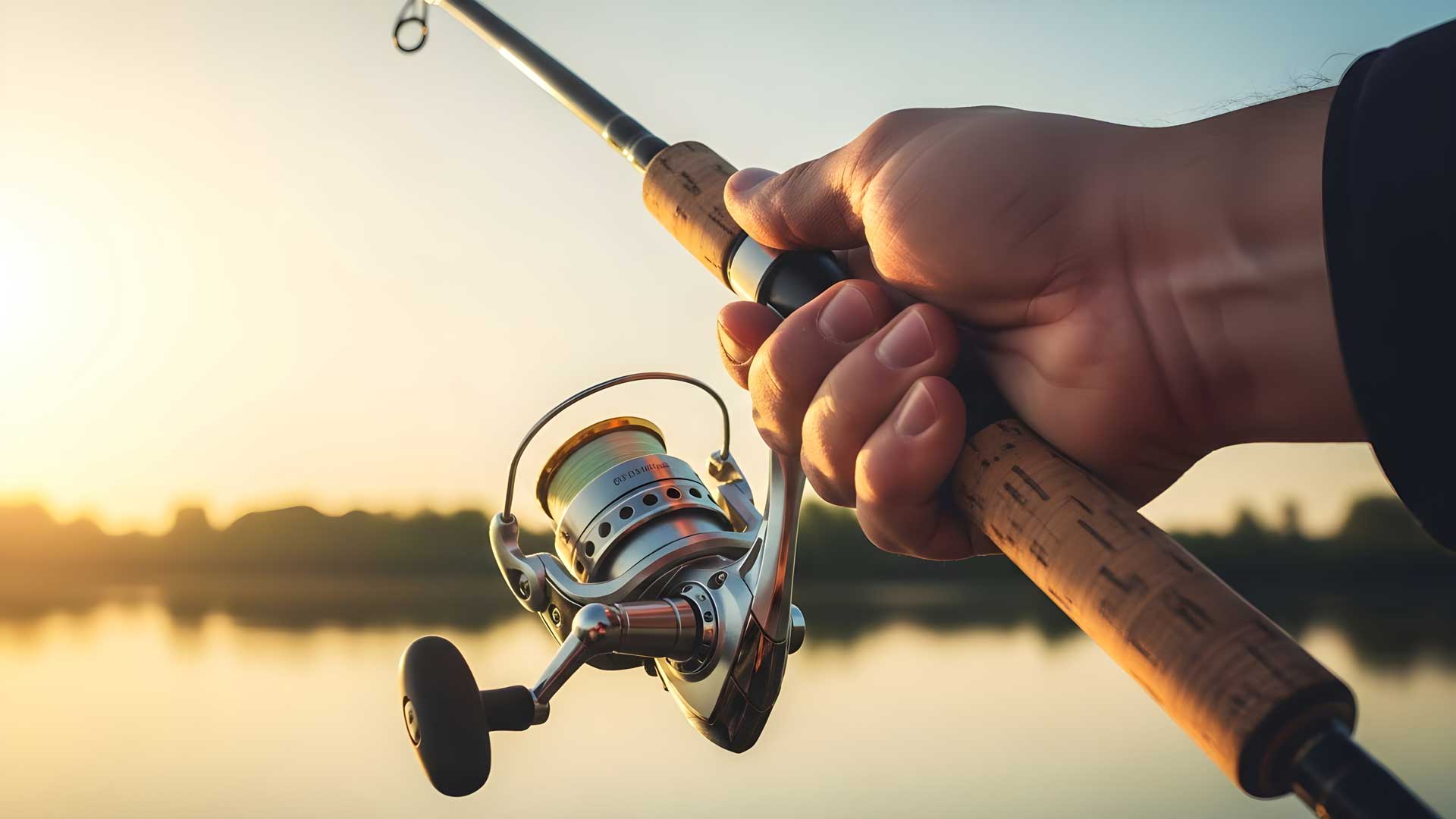
Most beginners fail at baitcasting
for the wrong reason.
The cast isn't the hard part. What stops most beginners is everything the reel demands on top of it.
The best baitcaster for beginners removes the part that actually causes problems.
Baitcasting isn't hard. Managing the spool is.
The cast itself takes an hour to get working. What's actually hard is spool management — thumb timing at splashdown, brake adjustment when conditions change, retuning when you switch lures. Traditional baitcasters put all of that on the angler. That's not a skill gap. That's a reel design problem.
Baitcasters are too hard for beginners
The cast is easy. Spool management is hard — and removable
You need to master thumb control first
With CastGuard™, thumb timing at splashdown isn't required
Start with a cheap reel to practice
A reel that doesn't punish you teaches better than one that does
Bird's nests are part of learning
Bird's nests are a reel behavior, not a casting mistake
So you can focus on fishing.
What you need to learn — and what you don't.
You still need to cast — aim, load the rod, time your release. That's the fishing part and it's yours to learn. What Svivlo removes is everything else: brake setup, thumb timing, re-adjustment per lure. The reel leaves the factory configured. You take it out of the box and fish.
Casting technique — aim, load, release, follow through.
Spool tension — set per lure, reset when conditions change.
Brake adjustment — dial in for wind, lure weight, casting power.
Thumb timing — stop the spool at exactly the right moment at splashdown.
Casting technique — aim, load, release, follow through.
Factory configured. Nothing to adjust after that.
Wind, lure changes, casting power — CastGuard adapts automatically.
Splashdown — the spool stabilizes on its own. No thumb timing needed.
"You don't have to keep your thumb on the baitcaster."
Three kids. No instructions. No coaching. First time on a baitcaster. They just cast.
"I would recommend this to beginners and experienced anglers, alike."
Two full days, hundreds of casts, wind included. Zero bird's nests. He never adjusted the reel after initial setup.
"A Swedish brand that just may have figured out how to eliminate backlashes altogether."
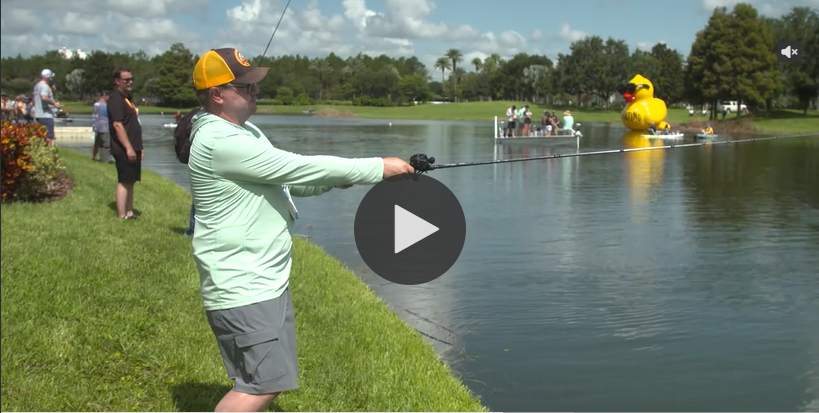

250 sessions. Zero lures lost.
Two reels. Choose based on how you fish.
Neither is a beginner reel. Neither is an expert reel. Choose based on what you're targeting.
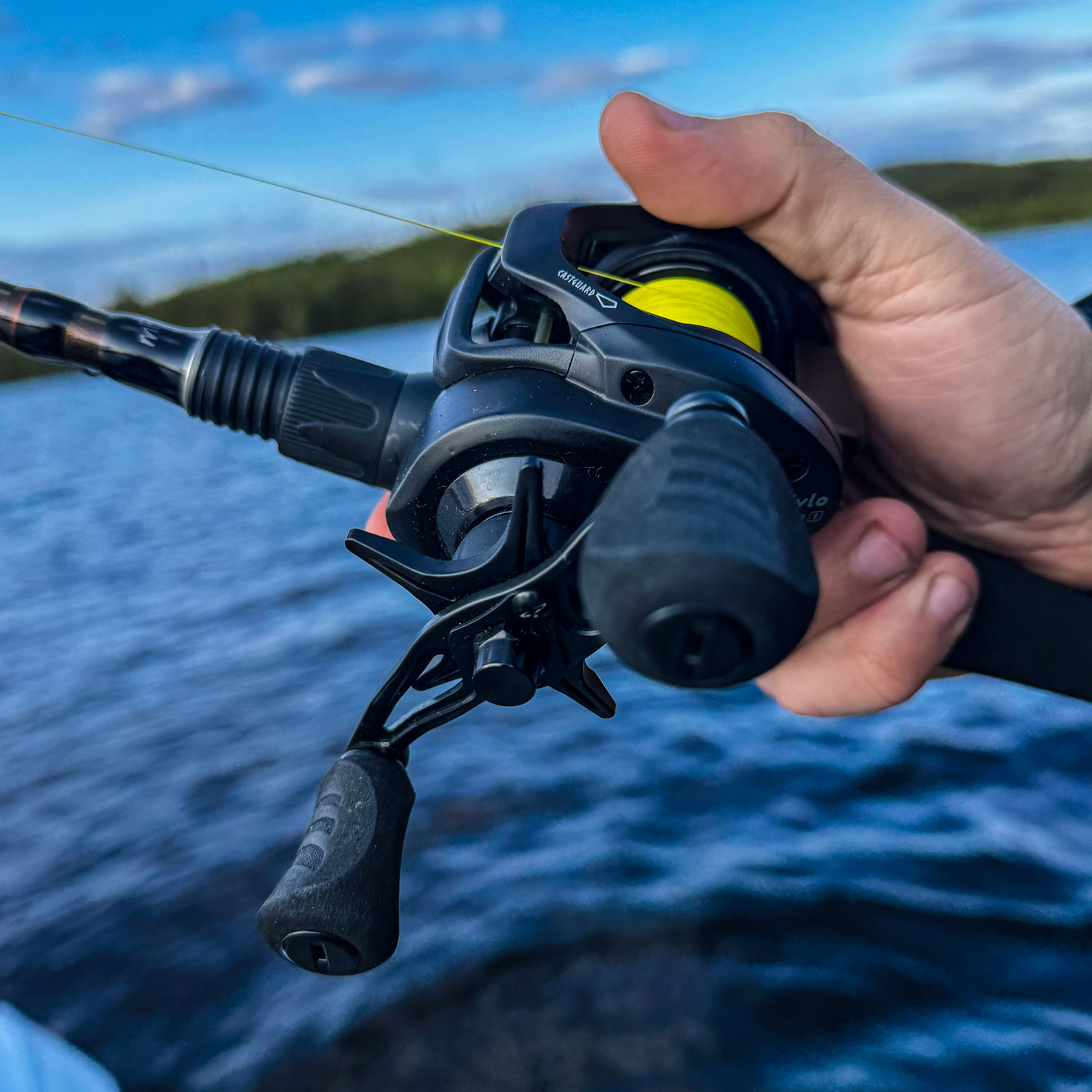
Frequent casts, varying lures, bass, perch, walleye. The natural starting point for most freshwater fishing. You stay in the rhythm. The reel stays out of the way.
~¼ oz – 1½ oz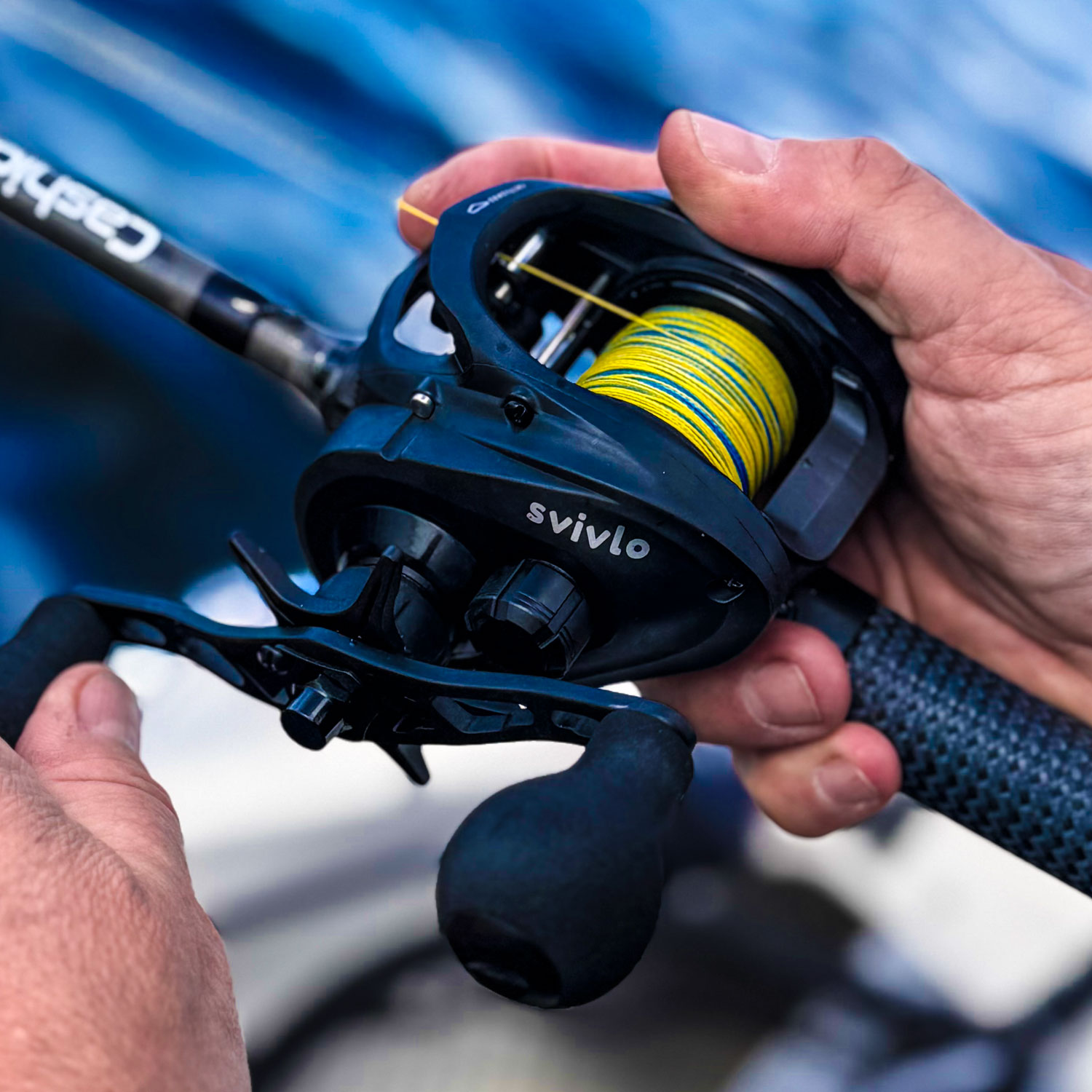
Heavier lures, pike, musky, predator fishing. Cast hard without compensating. Not a step-up from Draken ONE — a different context entirely.
~¾ oz – 7 ozWhat beginners ask before buying
-
Is a baitcaster really good for beginners?
With a traditional baitcaster — it's a real challenge. With Svivlo, CastGuard™ handles spool management automatically. You learn the cast. You don't learn to manage the reel. That makes it genuinely accessible from session one.
-
How do I avoid backlash as a beginner?
With a traditional reel: careful brake setup, heavier lures, thumb at splashdown, open-space practice. It takes time. With Svivlo: CastGuard™ handles the situations that cause most backlash. You cast confidently from session one.
-
Should I start with spinning or baitcasting?
Spinning is simpler — no spool management, lower risk of tangles. Fair choice for lures under ~¼ oz or if you want the simplest setup. If your target fishing involves heavier lures or more precision — and you want baitcasting without the traditional management overhead — start with Svivlo directly.
-
Do I need to set up a Svivlo reel before fishing?
Every Svivlo reel is configured at the factory before it ships. Take it out of the box and fish. You don't retune for lure changes, wind, or conditions. That's the biggest difference from any other baitcaster on the market.
-
Can I still get a bird's nest with Svivlo?
In extreme situations — yes. In normal conditions with normal lures, it's not a relevant scenario.
Skip the learning curve.
Keep the whole cast.
Choose based on how you fish — not how long you've been fishing.
Draken ONE Genesis ONEHow does CastGuard™ work?
